
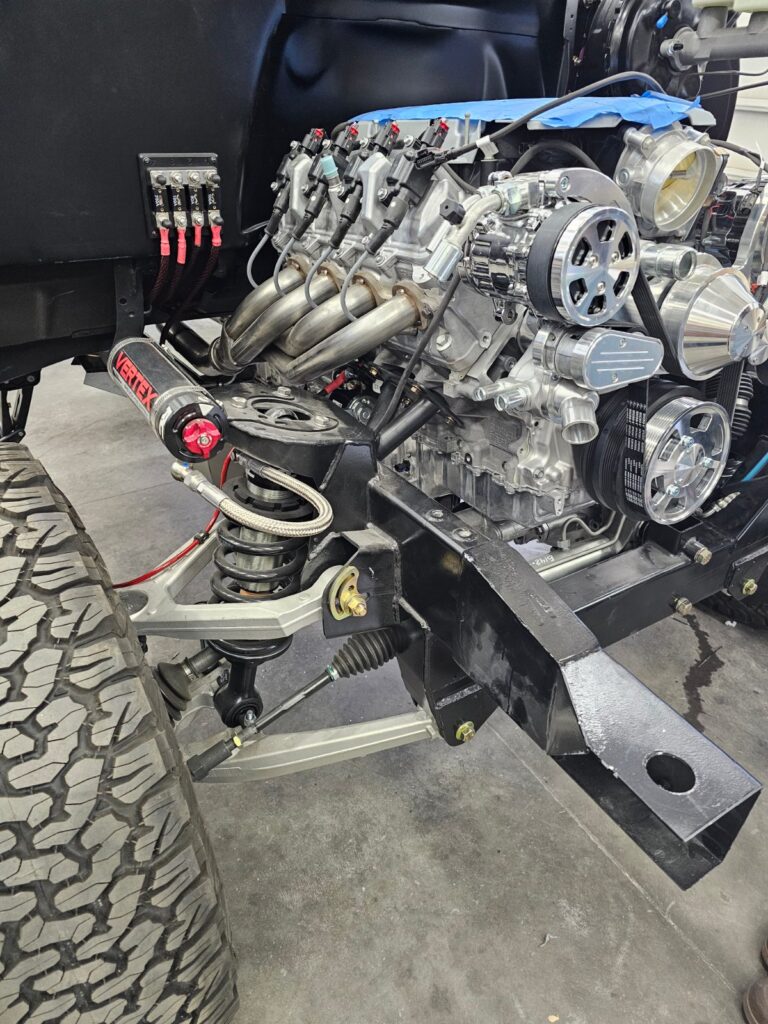
A custom chassis should be the foundation of the whole build—not another part that forces the rest of the truck into compromises. Before ordering a chassis for a classic Chevy 4×4, decide how the finished truck needs to drive, work and sit. Those answers shape the conversation long before fabrication begins.
Frame Werx builds custom IFS chassis for 1967–1972 and 1973–1991 Chevy K10 trucks and Blazers. Each chassis is engineered to preserve the correct body mounting points and proportions of the original design while creating a foundation for modern suspension, drivability and capability.
Confirm the model year, body style and wheelbase before discussing options. A Blazer and a pickup may share familiar Squarebody styling, but the chassis must support the exact body and proportions being used.
Also document any major changes already made to the body. Decades of repairs, replacement panels and previous modifications can affect how a classic body sits and aligns. The more accurate the starting information, the better the planning process.
A daily driver, a rowdy off-road truck and a vehicle expected to tow a boat or trailer do not place the same priorities on the chassis. Decide which use matters most and which uses are secondary.
A clear use case helps prevent a chassis specification that looks impressive on paper but does not match how the owner actually plans to use the truck.
The engine, transmission, transfer case, axles, brakes, steering, wheels and tires all influence the final package. Choosing them independently can create avoidable conflicts later.
Bring a list of the major components you already own and separate that from the items you are still willing to select. If a component choice is not final, say so. It is easier to design around a known decision—or an intentionally open decision—than around an assumption.
Frame Werx uses modern coilover suspension and sway control to improve the way a classic truck drives and responds. But “better handling” means different things to different owners. One customer may want a comfortable cruiser; another may accept a firmer ride for sharper response and off-road control.
Describe the roads, speeds and driving conditions the truck will see. That practical description is more useful than asking for the most aggressive setup available.
A chassis choice affects the rest of the build sequence. Body mounting, exhaust routing, fuel-system placement, driveline angles, brake plumbing and service access all benefit from being considered before final assembly.
Before ordering, gather:
The best time to solve packaging and geometry questions is before the truck is assembled. A well-planned chassis gives the body, drivetrain and suspension a common foundation and helps the rest of the build move forward with fewer surprises.
Explore the Frame Werx custom IFS chassis and use the configurator to review available build choices. For a project outside the listed applications, contact Frame Werx before ordering.