
1967–1972 C10 Chassis
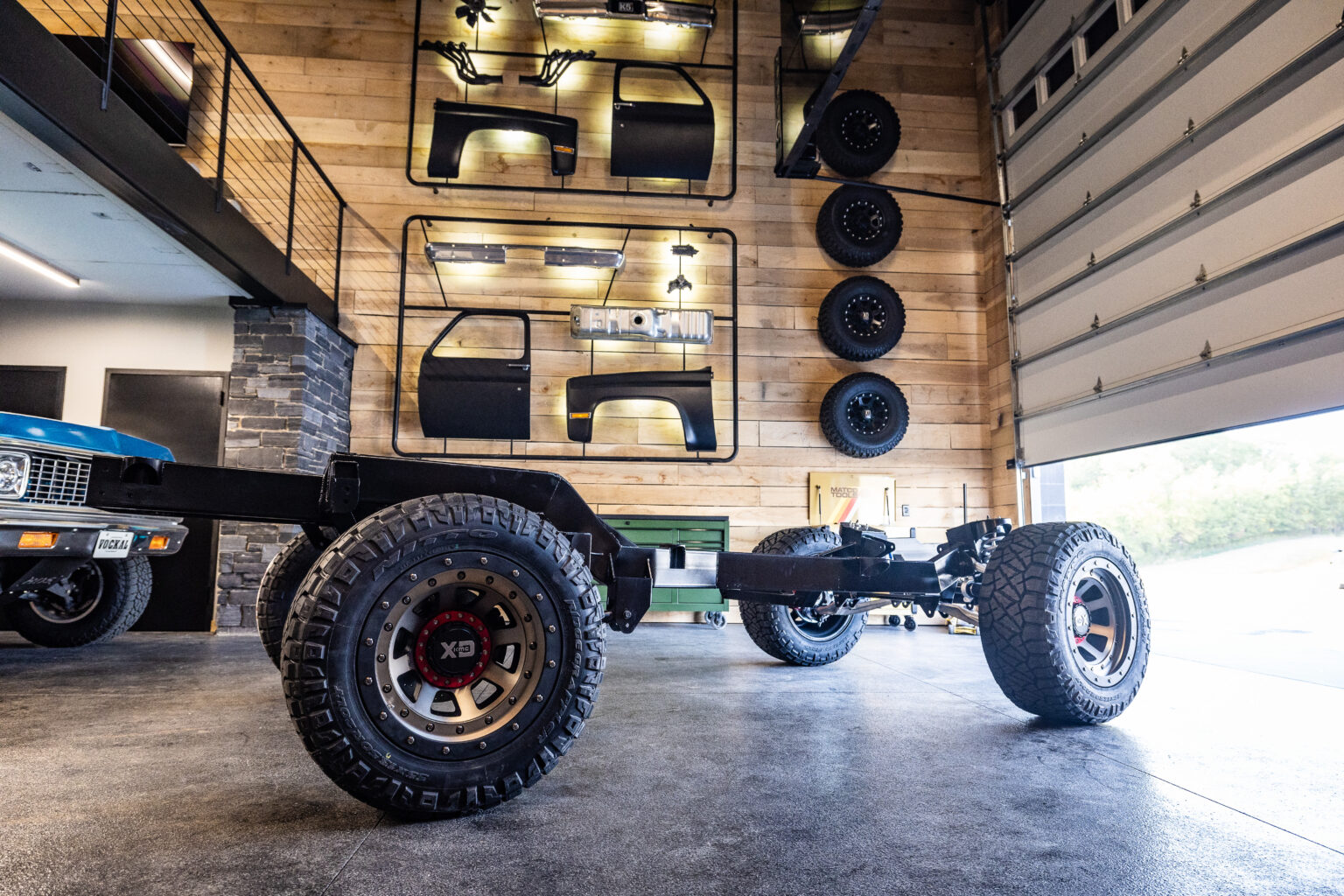
The 1967–1972 C10 is one of the best-looking pickups GM ever built, and one of the most popular classic trucks to drive. Underneath, it is still a 1960s chassis built for a 55 mph world: soft, vague and nervous at today’s highway speeds.
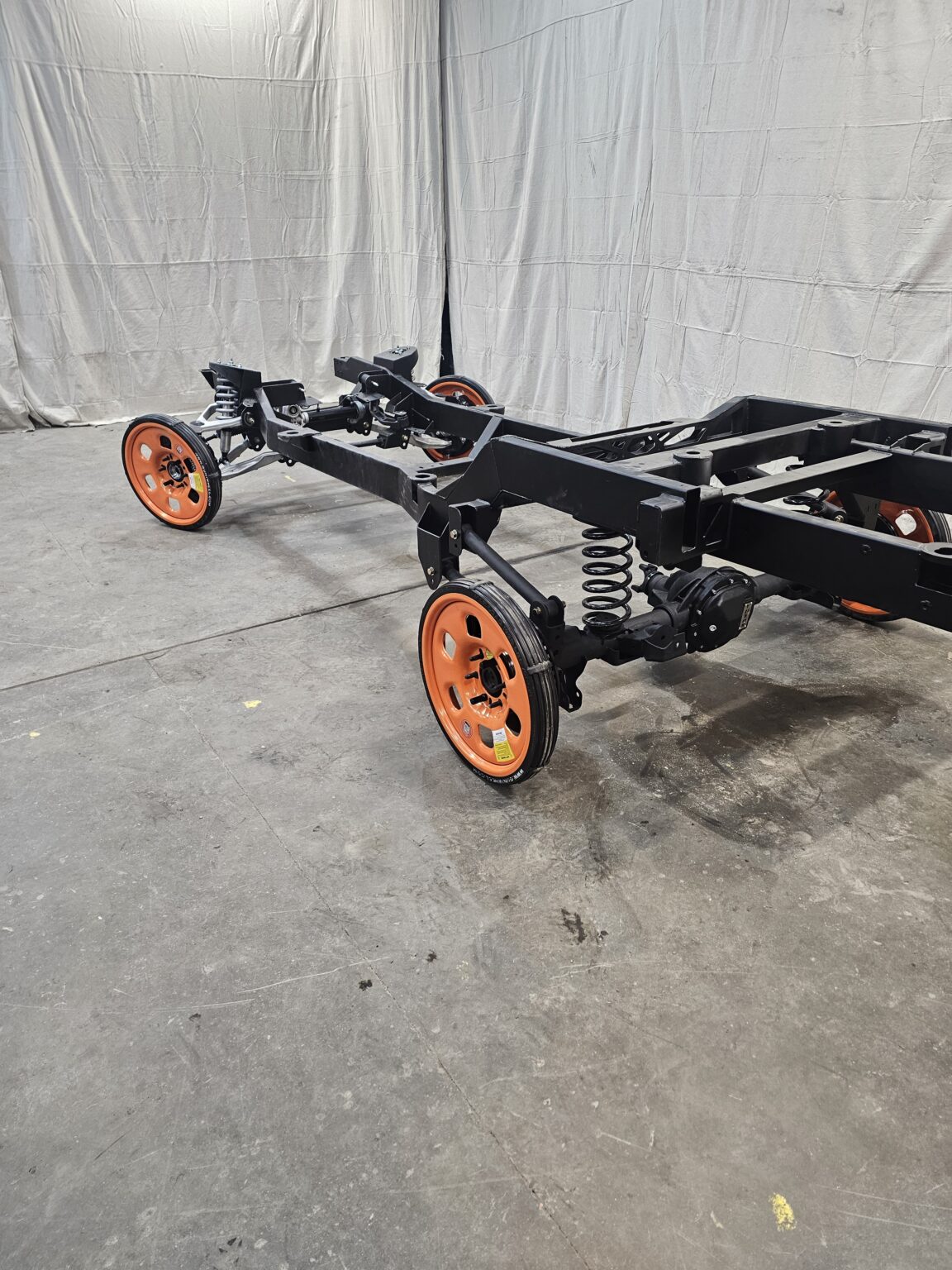
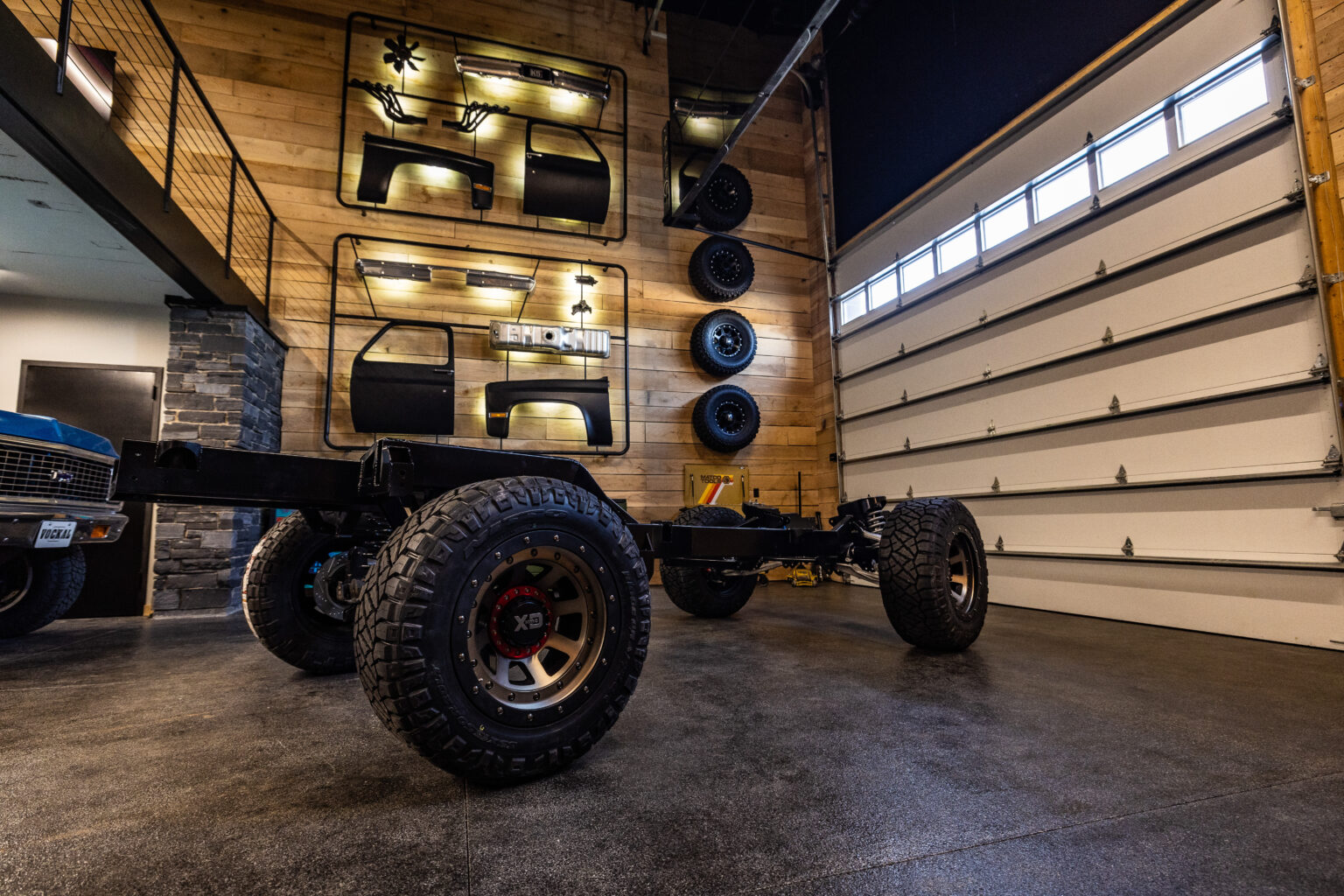
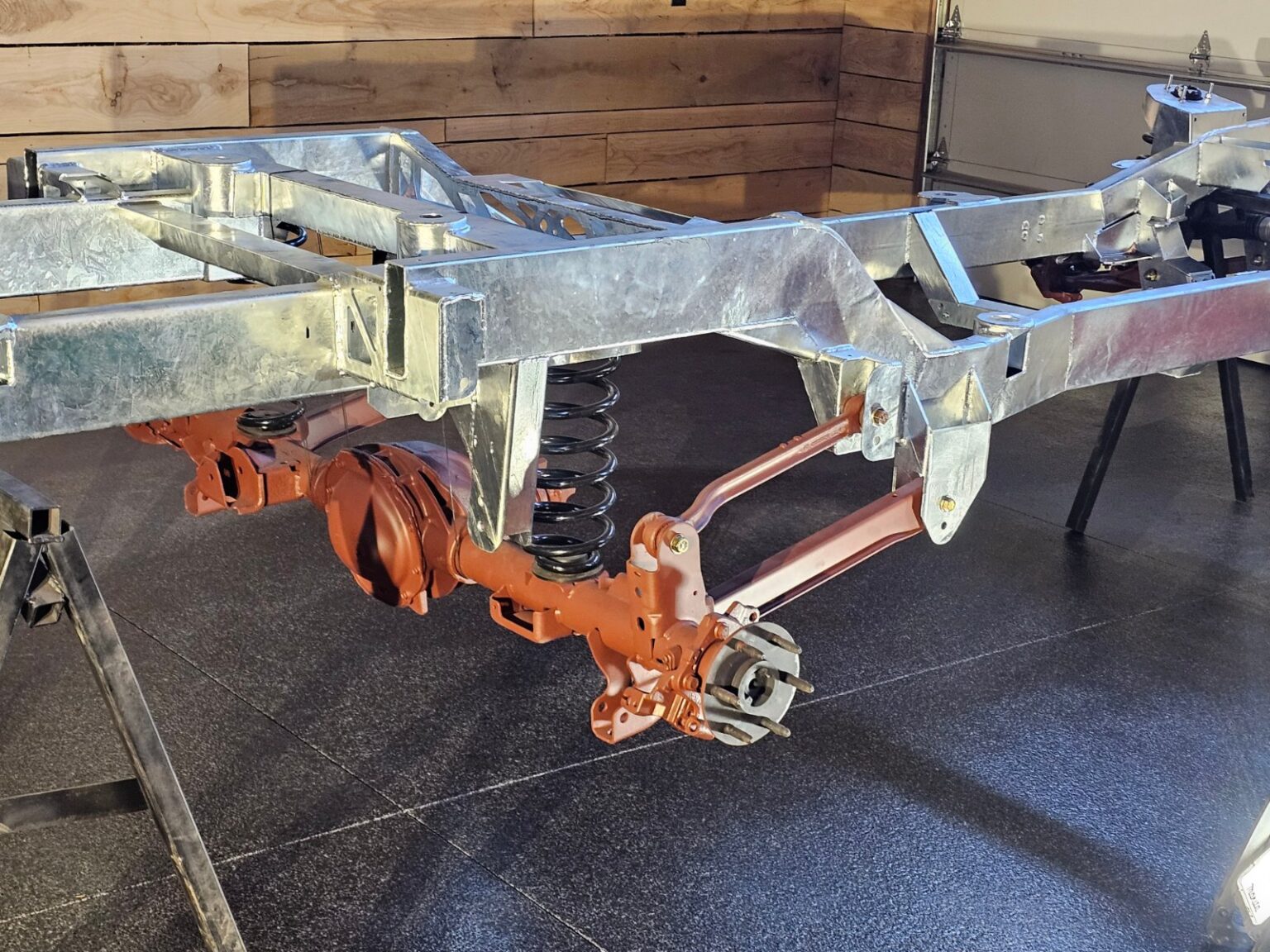
A Frame-Werx chassis gives a 67–72 C10 independent front suspension, sway bars front and rear and a multi-link rear, with modern rack-and-pinion steering and disc brakes at all four corners. It bolts to the factory body mounts, so the truck looks exactly the way a 67–72 should.
Fits
- 1967–1972 Chevrolet C10
- 1967–1972 GMC C15
- Two-wheel drive, or four-wheel drive and all-wheel drive on the same chassis
What it does for a 67–72 C10
Ride quality
Independent front suspension soaks up broken pavement and expansion joints instead of sending them into the cab.
Handling
Sway bars front and rear keep the truck flat and composed through corners, lane changes and freeway ramps.
Multi-link rear
Locates the rear axle precisely for a settled ride, with the strength to tow.
Rated to 800 horsepower
Engineered to carry modern GM Performance engine and transmission packages.
Two-wheel, four-wheel or all-wheel drive
Build it as two-wheel drive, electronic-shift four-wheel drive or full-time all-wheel drive.
Bolts to the factory body
Built to the original body mounting points. No cutting, no drilling.
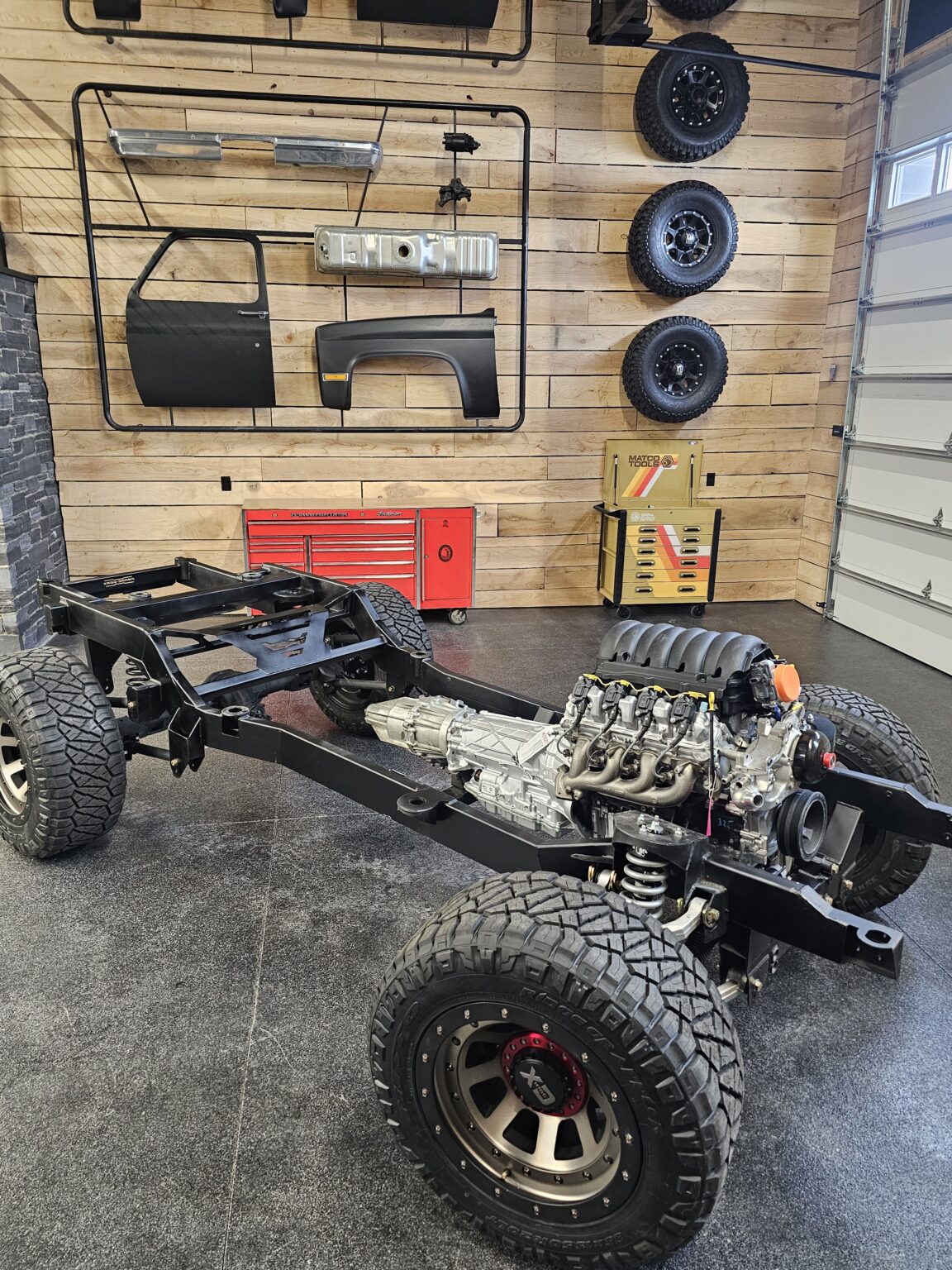
Built for the 67–72
These trucks have the cleanest lines of any GM pickup, and owners want to drive them, not just park them. The trouble is the original frame: after fifty-plus years it has seen rust, cracked brackets and every hole a previous owner drilled, and it still carries suspension designed for a different era of roads. A Frame-Werx chassis replaces it outright with a brand-new frame, so the cab and bed go back on the factory mounting points and the truck drives like something built today.
Want four-wheel drive?
The same frame takes a front differential for four-wheel drive or all-wheel drive. See the 1967–1972 K10 chassis page.
Spec it your way
Choose shocks from a factory-style setup through Fox, King and Rough Country Vertex reservoir coilovers up front; brakes from a standard aftermarket package to Frame-Werx calipers and Wilwood big-brake kits; a 3.42, 3.73 or 4.10 rear gear; and a GM Performance engine and transmission package. Finish it hot-dip galvanized, or in epoxy primer and black. Buy the bare frame, the frame with parts shipped loose, or a complete rolling chassis assembled in our shop.
Common questions
Will it fit my 1967–1972 C10?
Yes. It bolts to the factory body mounts, with no cutting or drilling.
Can I lower it?
Yes. Drop spindles and adjustable upper control arms bring the truck down to a low stance while keeping the ride quality the chassis is built for.
Is the two-wheel-drive chassis different from your four-wheel-drive chassis?
No. It is the same chassis. A two-wheel-drive build leaves out the front differential; everything else is identical.
Can I buy just the frame?
Yes. It is available as a bare frame, as a frame with parts shipped loose, or as a complete rolling chassis assembled in our shop.
What does it cost?
A bare hot-dip galvanized frame starts at $17,900. Everything beyond that depends on the parts you choose, and the chassis builder keeps a running total as you go.
How do I order?
Spec your chassis in the builder and review the estimate. Frame-Werx chassis are sold exclusively through K5 Squared, and a deposit reserves your place in the build queue.