
1969–1972 K5 Blazer & Jimmy 4×4 Chassis
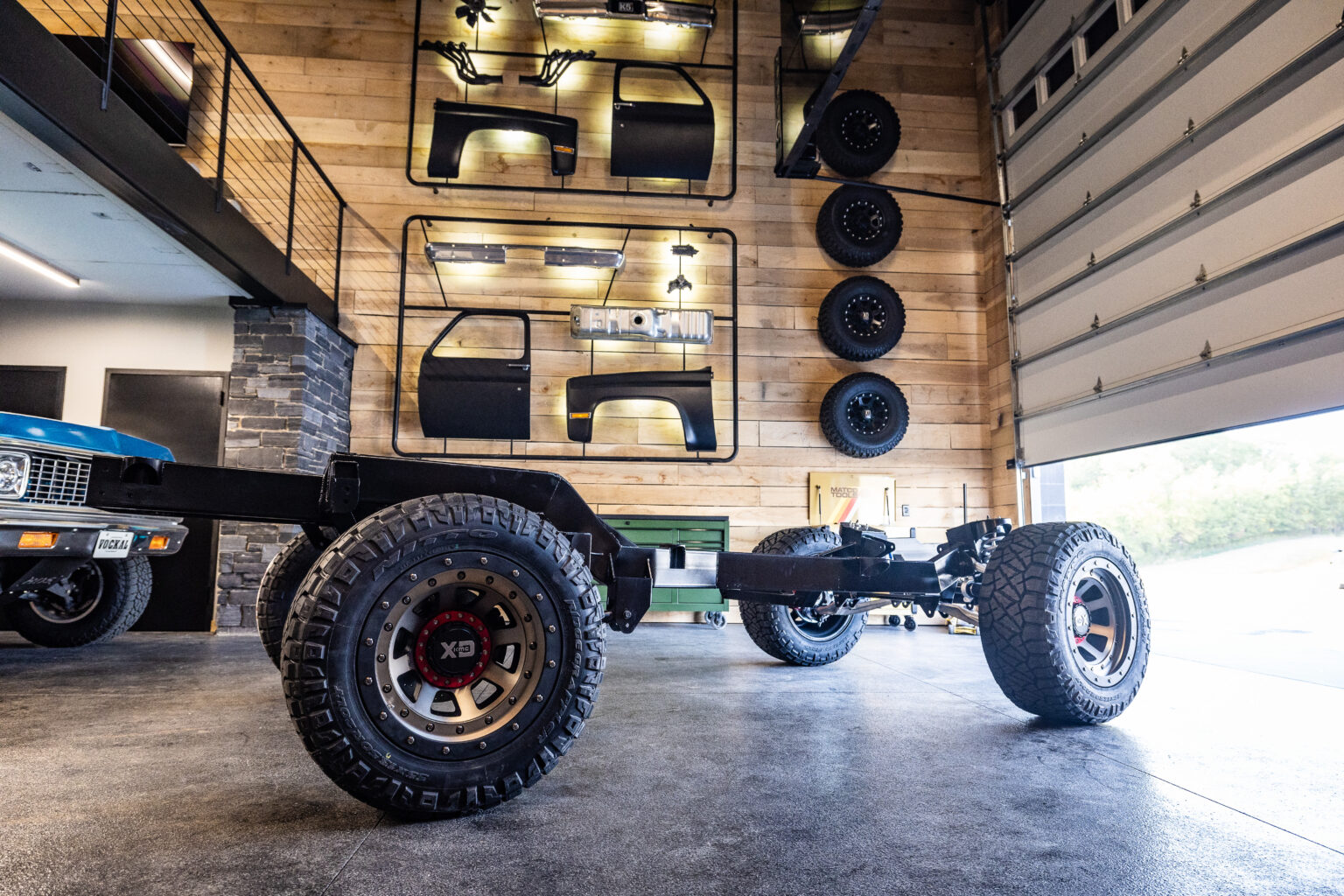
The first-generation K5 Blazer and its GMC Jimmy twin are among the most coveted four-wheel drives GM ever built. Underneath, though, they still ride on leaf springs and a solid front axle engineered in the 1960s: honest, durable hardware that wanders on the highway and wears out the driver long before the trail does.
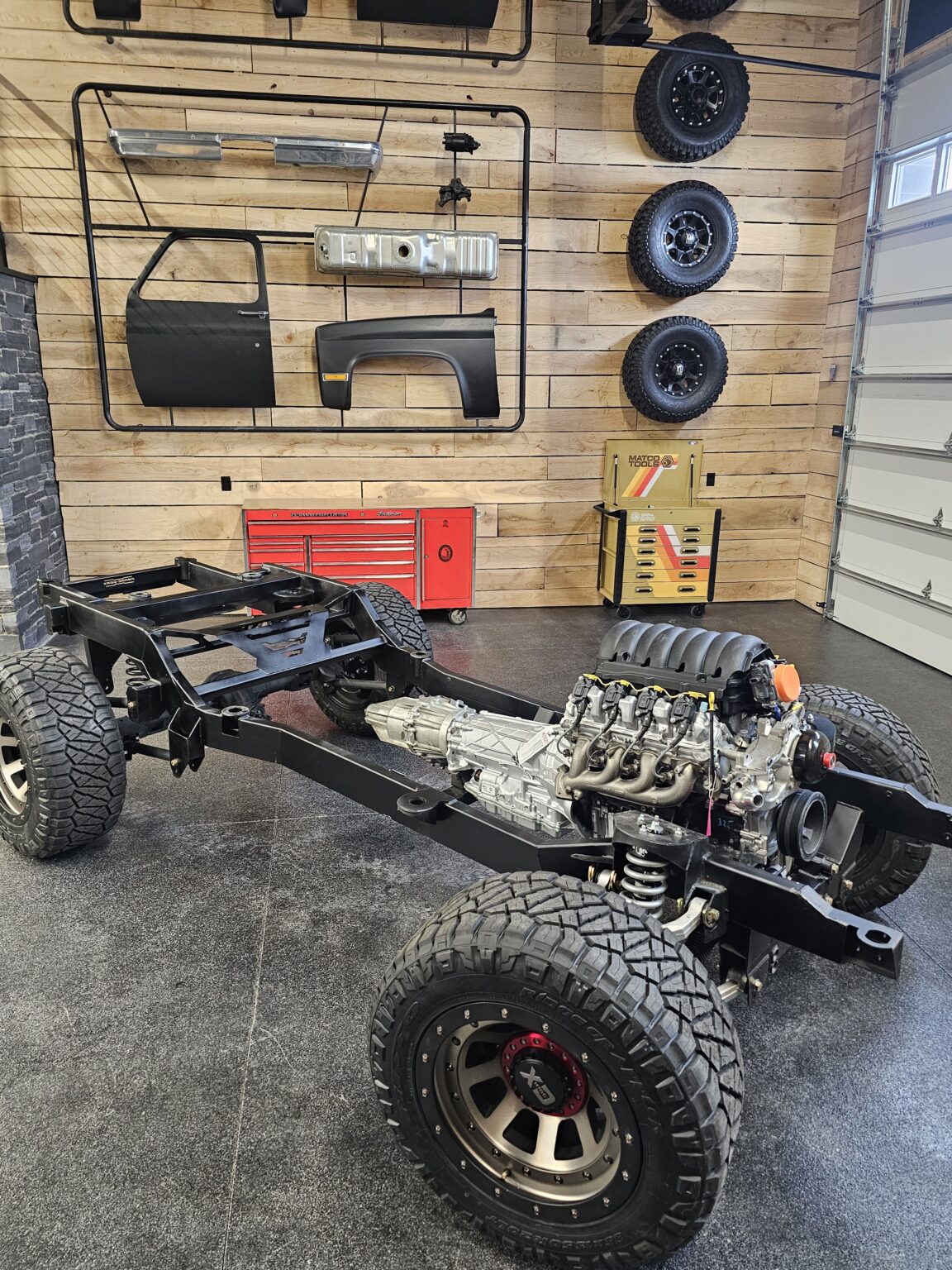
A Frame-Werx chassis keeps everything that makes an early Blazer unmistakable, from the body and the stance to the proportions, and replaces what lies beneath with a modern independent front suspension chassis. It bolts to the factory body mounts, so the truck looks exactly as it should while driving like something built decades later.
Fits
- 1969–1972 Chevrolet K5 Blazer
- 1970–1972 GMC Jimmy
Known in the hobby as the 69–72 or first-generation Blazer.
What is underneath
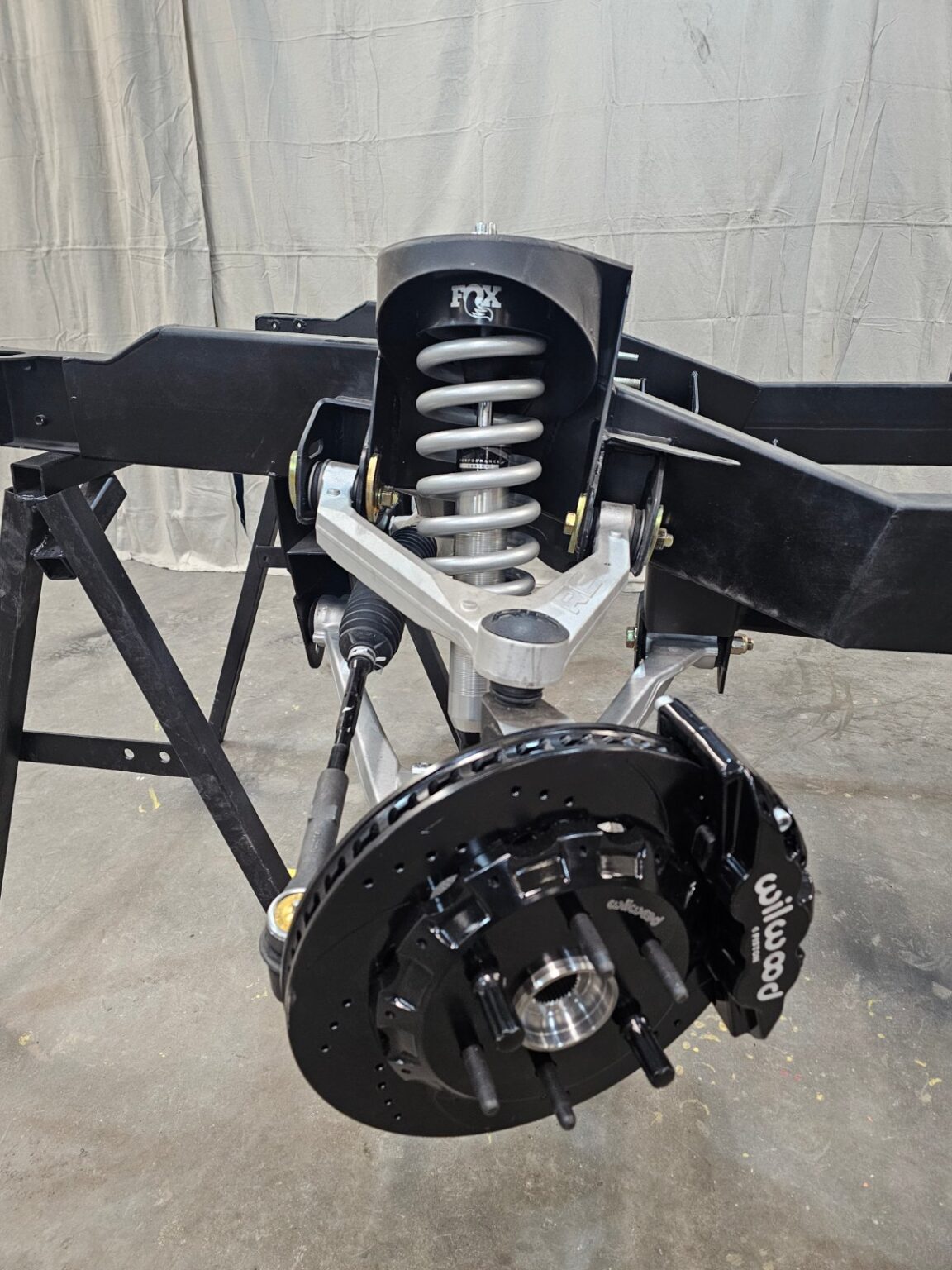
Independent front suspension
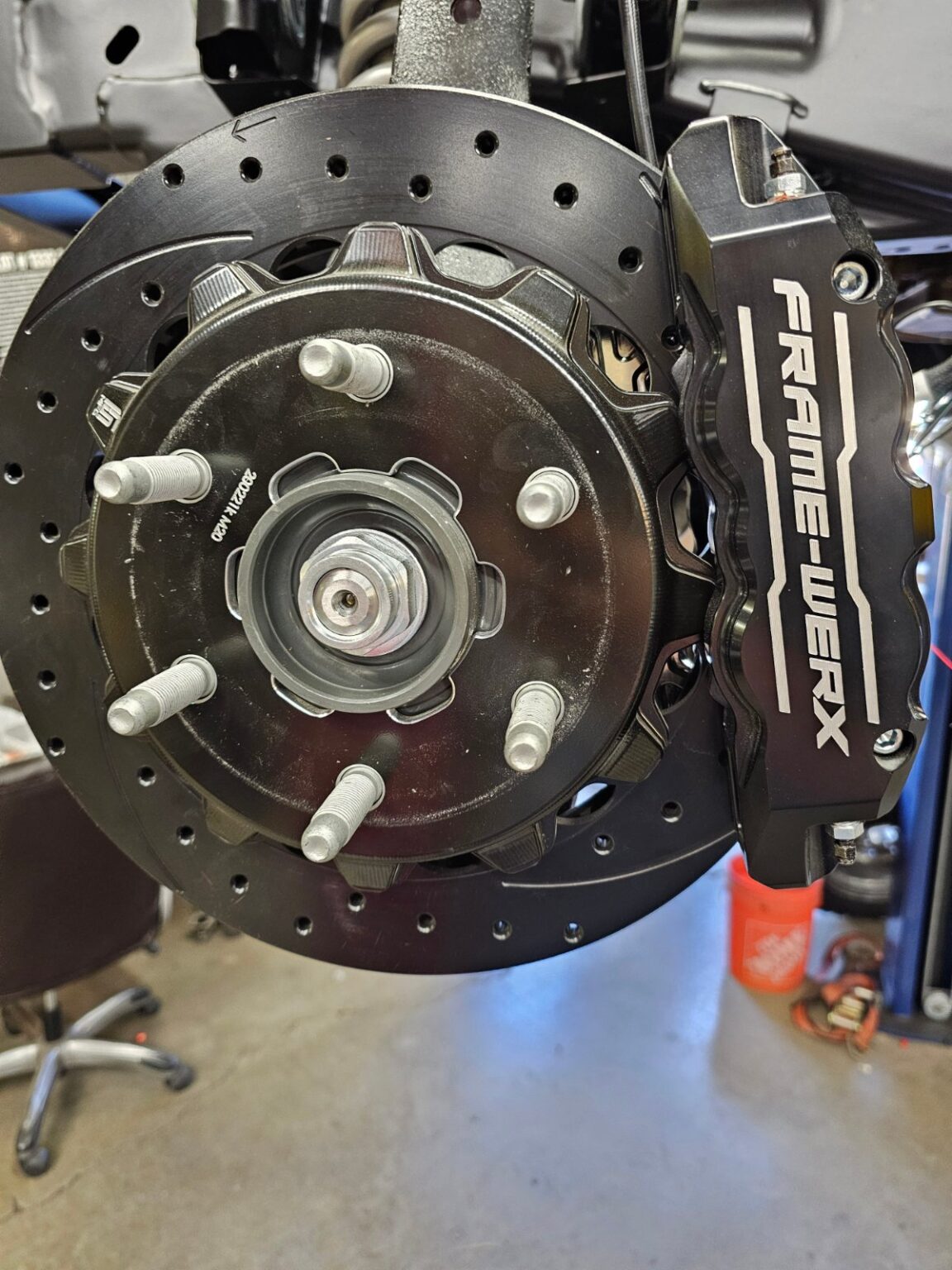
Geometry, steering, hubs and brakes drawn from GM’s GMT900 platform, the same hardware beneath the 2010 Cadillac Escalade, so replacement parts stay easy to find.
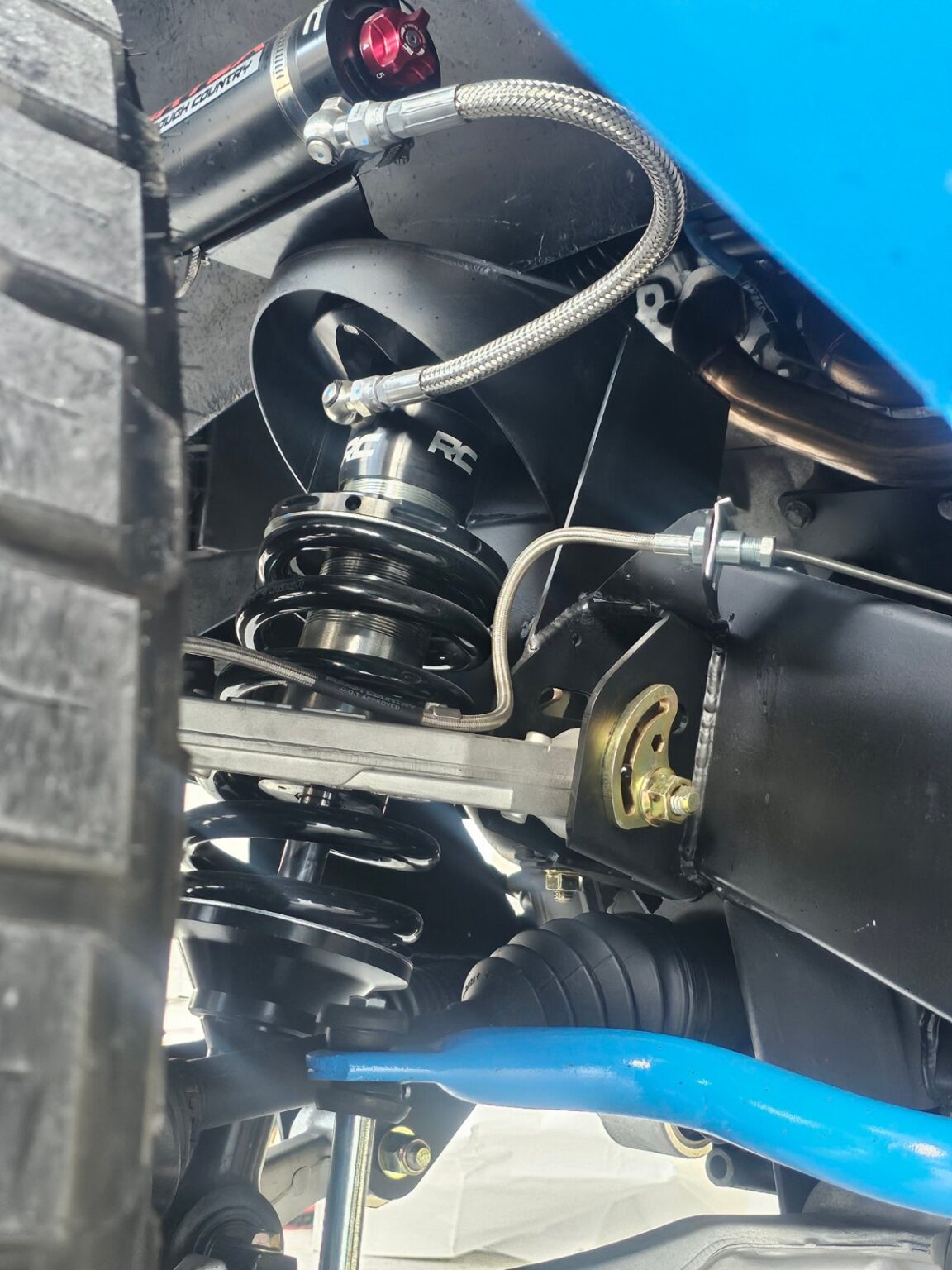
Multi-link rear
Locates the axle precisely, so the truck tracks straight at speed and stays composed over broken pavement or a washed-out trail.
Rated to 800 horsepower
Engineered to carry modern GM Performance engine and transmission packages without a second thought.
Two-wheel, four-wheel or all-wheel drive
Configure the drive to suit the truck: two-wheel drive, electronic-shift four-wheel drive or full-time all-wheel drive.
Hot-dip galvanized
Every finished frame is immersed in molten zinc, sealing it against rust inside every rail and crossmember.
Bolts to the factory body
Built to the original body mounting points and proportions. No cutting, no drilling.
Built for the 69–72 Blazer
GM introduced the K5 Blazer for 1969, and the GMC Jimmy followed for 1970. Because the first-generation trucks share their front sheet metal and styling with the 1967–1972 Chevrolet pickups, plenty of owners call them 67–72 Blazers. Whatever name you use, the body is the part worth preserving: the full removable top, the short wheelbase and that unmistakable profile.
What rarely deserves preserving is what lies beneath it. After more than fifty years, a factory frame has endured road salt, cracked brackets, improvised lift kits and every hole a previous owner ever drilled. Rebuilding it means blasting, welding and boxing, and you still finish with leaf springs and a solid front axle. A Frame-Werx chassis replaces it outright: a brand-new frame, hot-dip galvanized, carrying independent front suspension, a multi-link rear and modern GM power, set onto the original body mounts.
It answers the three first-gen projects we hear about most often: a 1969–1972 Blazer whose frame is too far gone to save, a restomod that has to drive like a new truck, and a frame-off restoration that is already apart and ready for something better than original.
The truck and the foundation
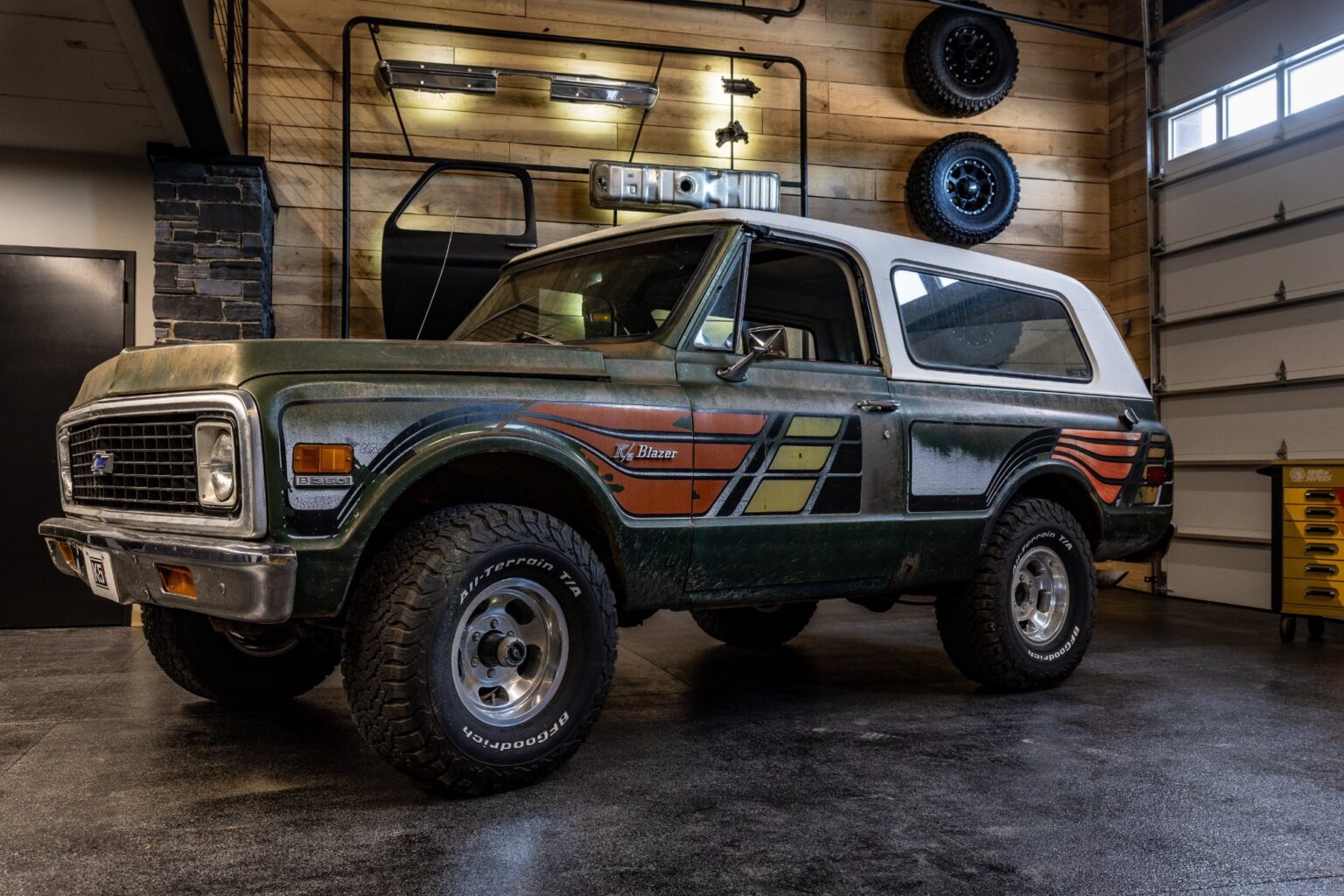
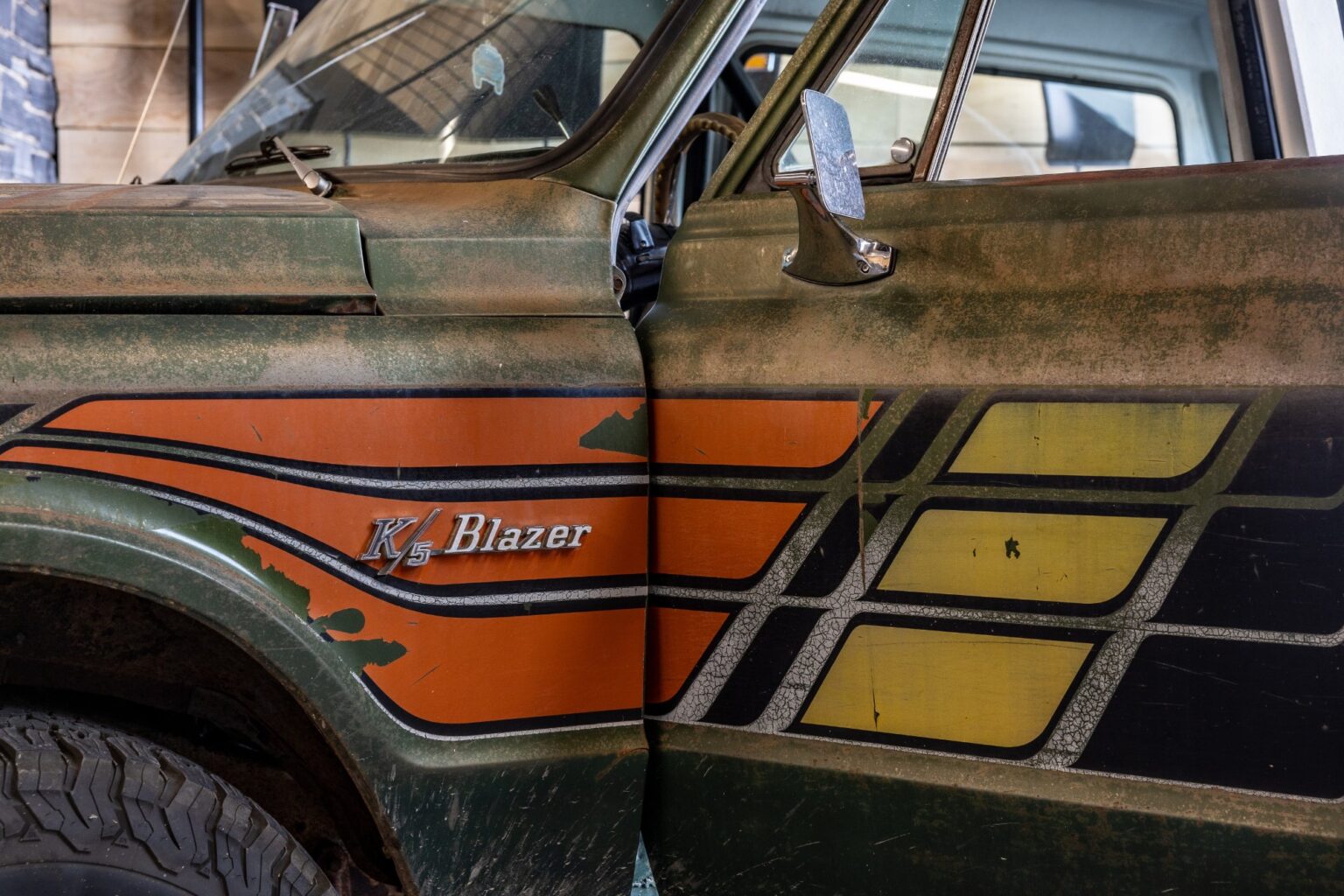
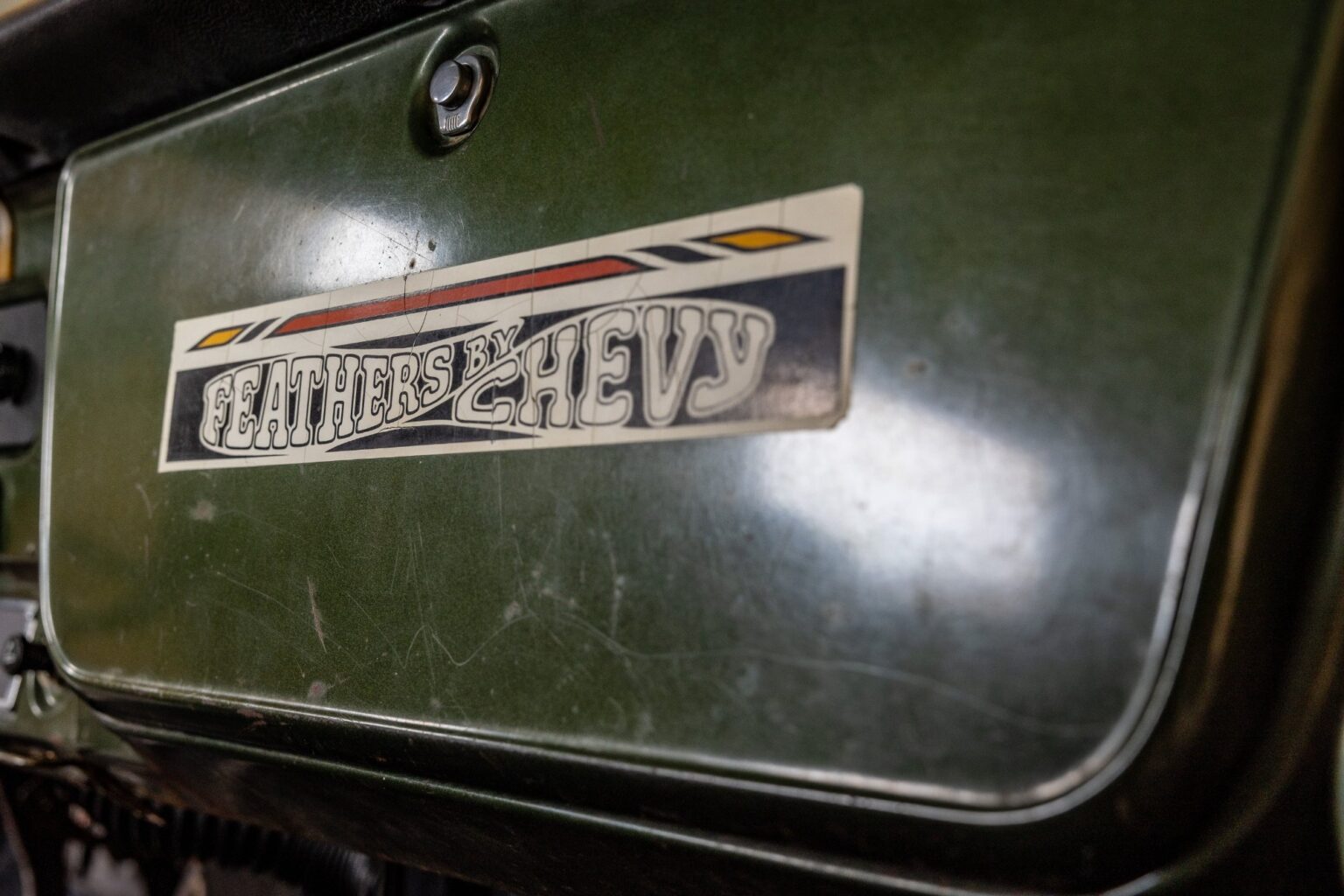
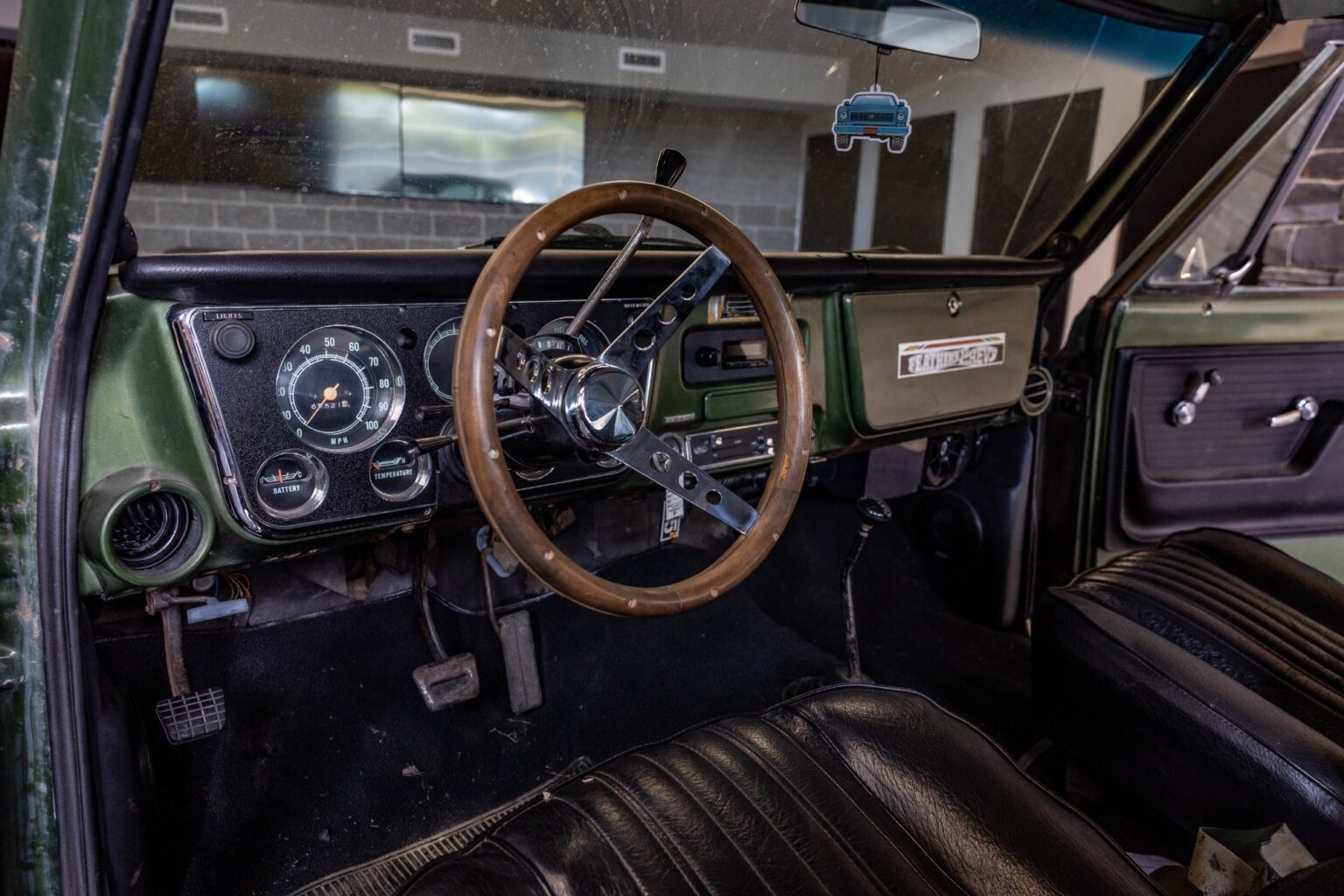
On a Frame-Werx build, everything above the frame rails stays: the sheet metal, glass, top, interior and badges that make a first-gen Blazer worth owning. Beneath it, the factory frame, leaf springs and solid front axle give way to independent front suspension, a multi-link rear and modern GM power. The same unmistakable profile, an entirely different truck to drive.
Galvanized, not just painted
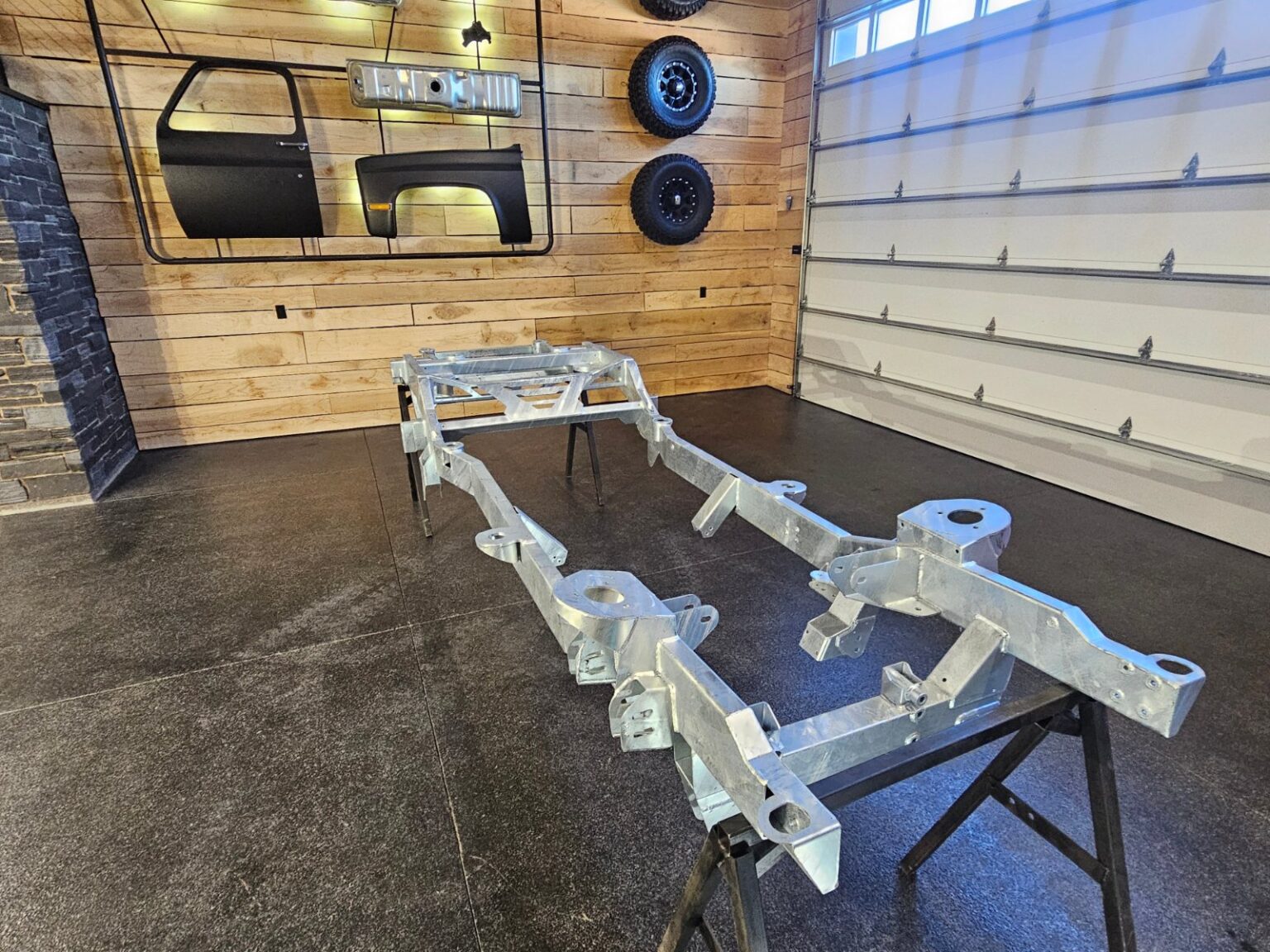
Once fabrication is finished, every Frame-Werx frame is hot-dip galvanized. The complete structure is submerged in molten zinc, which bonds to the steel inside each rail and crossmember, including the places no spray gun or brush can reach. It is the same protection trusted on bridges and highway guardrail, and it means the foundation of your build will not quietly rust away beneath a fresh coat of paint.
Prefer black? An epoxy primer and flat black finish is also available.
Spec it your way
Choose shocks from a factory-style setup through Fox, King and Rough Country Vertex reservoir coilovers; brakes from a standard aftermarket package to Frame-Werx calipers and Wilwood big-brake kits; a 3.42, 3.73 or 4.10 rear gear; and a GM Performance engine and transmission package. Buy the bare frame, the frame with parts shipped loose, or a complete rolling chassis assembled in Minnesota.
Why we build it
Founder Sean Spraungel on how the Frame-Werx chassis started, why it was built and where it’s headed. Filmed by Classic Truck Performance at Dino’s Git Down 2025.
Guides for planning your build
Common questions
Will it fit my 1969–1972 Blazer without modification?
Yes. The frame locates your body on the factory mounting points, so there is no cutting or drilling of the body.
Does it work on a GMC Jimmy?
Yes. The 1970–1972 Jimmy shares its body and mounting points with the K5 Blazer.
Can I buy just the frame?
Yes. The chassis is available as a bare galvanized frame, as a frame with parts shipped loose, or as a complete rolling chassis assembled in our shop.
What does it cost?
A bare hot-dip galvanized frame starts at $17,900. Everything beyond that depends on the parts you choose, and the chassis builder keeps a running total as you go.
How do I order?
Spec your chassis in the builder and review the estimate. Frame-Werx chassis are sold exclusively through K5 Squared, and a deposit reserves your place in the build queue.
Is this the same as a 67–72 Blazer chassis?
Yes. The K5 Blazer arrived for 1969, but because it shares its styling with the 1967–1972 Chevy pickups, many owners call it a 67–72 Blazer. This chassis fits every 1969–1972 K5 Blazer and 1970–1972 GMC Jimmy.
Can it replace a rusted or damaged factory frame?
Yes. It is a complete new frame, not a repair section, so a rotted or cracked original frame is retired altogether. The body moves over to the Frame-Werx chassis on the factory mounting points.
Can I build it as two-wheel drive?
Yes. The chassis can be built as two-wheel drive, electronic-shift four-wheel drive or full-time all-wheel drive.
What engine can I run?
The chassis is engineered around modern GM Performance engine and transmission packages and is rated to 800 horsepower. LS and LT engines are the usual choices, and the chassis builder lists the packages we offer.